
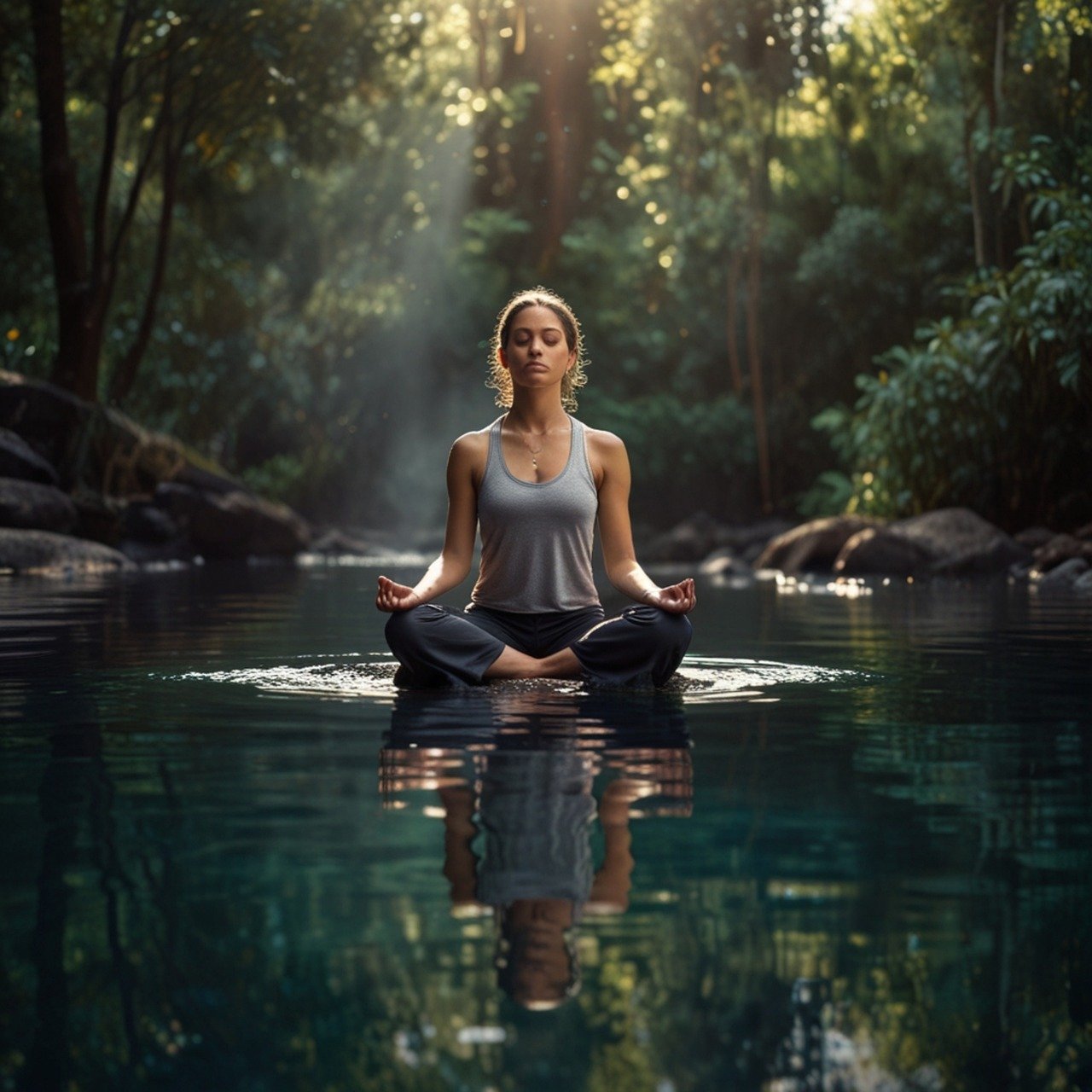
For me, starting meditation as a beginner felt a bit intimidating, but it’s actually much simpler than I thought. The key was to approach it with an open mind and a gentle attitude toward myself, and you can do the same. Here’s a step-by-step guide to help you get started on your meditation journey.
1. Find a Quiet and Comfortable Space
First, choose a spot where you won’t be disturbed. It doesn’t need to be fancy—just somewhere you can sit quietly for a few minutes.
You can sit on the floor, on a cushion, or in a chair.
The most important thing is to be comfortable, so sit in a way that allows you to relax but also stay alert.


2. Start Small
You don’t need to meditate for long periods when you’re just starting out.
Even 5 minutes a day can make a difference.
As you get more comfortable with the practice, you can gradually increase the time to 10 or 15 minutes.


3. Focus on Your Breath
A simple way to begin meditating is to focus on your breath.
Close your eyes and take a few deep breaths to settle in.
Then, breathe naturally and pay attention to the sensation of the breath entering and leaving your body.
Notice how it feels as the air moves in through your nose, fills your lungs, and then flows out again.


4. Don’t Worry About Clearing Your Mind
It’s a common misconception that you need to completely clear your mind to meditate.
Thoughts will come up, and that’s okay.
When you notice your mind wandering, gently bring your focus back to your breath.
The goal isn’t to stop thinking but to become aware of when your mind drifts and then return to the present moment.


5. Be Patient and Kind to Yourself
Meditation is a practice, and like any practice, it takes time to develop.
It’s normal to feel restless or distracted at first.
The important thing is to be patient with yourself.
If you skip a day or find it difficult, that’s okay—just start again the next day.


6. Use Guided Meditations
If you find it challenging to meditate on your own, guided meditations can be incredibly helpful.
There are many apps and online resources here at Swirling Chakras, that offer guided sessions to lead you through the process.
This can be especially useful for beginners as it provides structure and direction.


7. Experiment with Different Types of Meditation
There are many different types of meditation, such as mindfulness, loving-kindness, body scan, or even walking meditation.
Try out a few different styles to see which one resonates with you!
There’s no one “right” way to meditate—what matters is finding a method that feels good to you.


8. Make It a Routine
Try to meditate at the same time each day to create a habit.
Whether it’s first thing in the morning, during a lunch break, or before bed, consistency helps reinforce the practice


9. Reflect on Your Experience
After meditating, take a moment to reflect on how you feel. Notice any changes in your mood, stress levels, or overall sense of well-being.
Use a journal or notebook to capture your feelings, thoughts and insights. Writing your thoughts helps focusing your intentions.
This reflection can help you see the benefits of meditation over time and keep you motivated to continue.


10. Enjoy the Journey
Remember, meditation is a journey, not a destination.
It’s about being present with yourself, finding moments of peace, and gradually cultivating a sense of mindfulness in your everyday life.
Enjoy the process, and don’t be afraid to explore and experiment along the way.


Starting meditation is a wonderful step toward a calmer, more mindful life.
By taking it one step at a time and being gentle with yourself, you’ll soon find that meditation can be a rewarding and enriching practice.
Remember to always find the silver lining!




Leave a Reply