
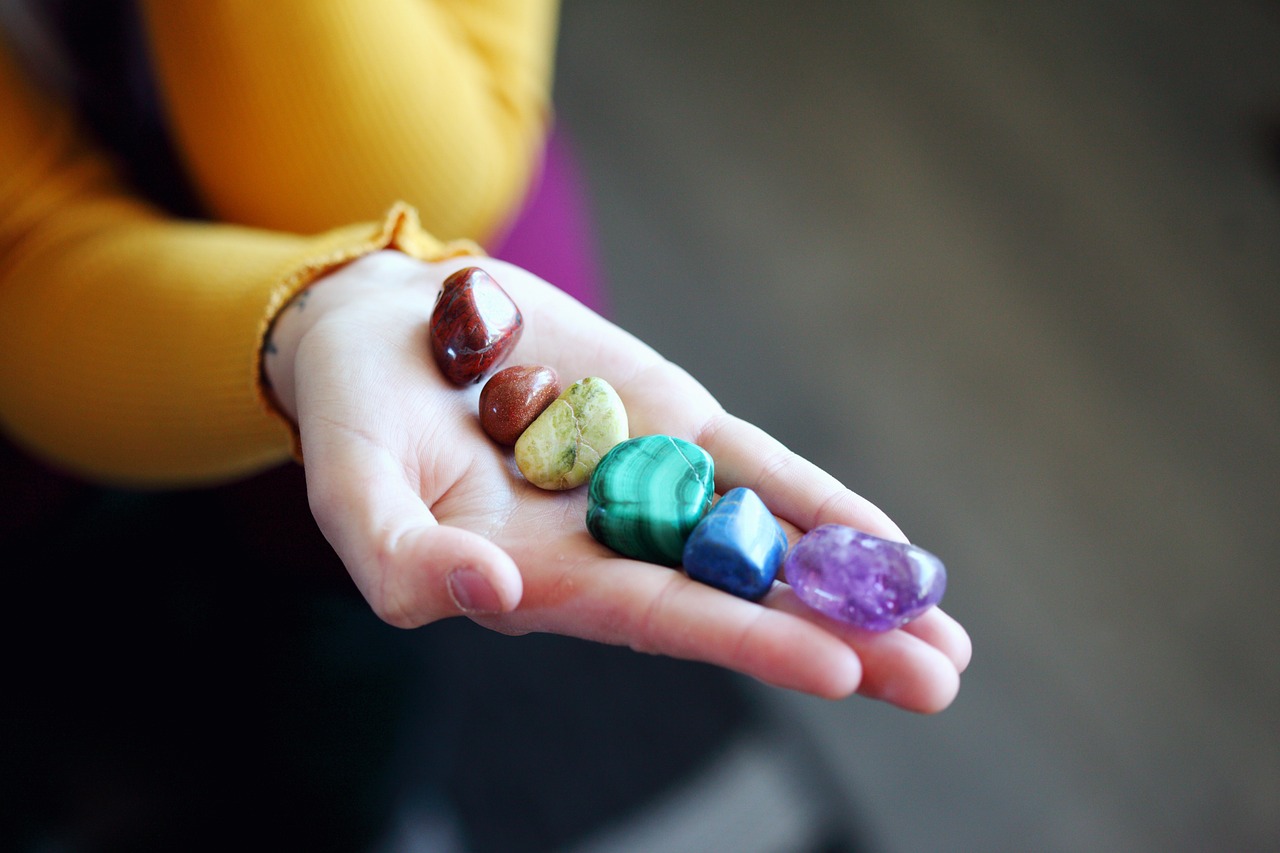


what are chakras?
The concept of chakras originated in ancient India and is deeply rooted in Indian spiritual traditions, particularly within Hinduism and later Buddhism. The idea of chakras was not “invented” by a single person, but developed over time through the teachings of early Vedic texts and Upanishads, which are some of the oldest spiritual scriptures in India.
Historical Development:

Vedic Texts and Upanishads:
The earliest mentions of chakras can be traced back to the Vedas, a collection of ancient Indian scriptures dating back over 3,000 years.
The Upanishads, which are a part of the Vedas, further elaborate on the concept of energy centers within the body, referring to them as chakras. These texts explore the idea of prana (life force) flowing through energy channels (nadis) and the chakras being focal points of this energy.

Ancient Texts:
The chakras were described in terms of their energetic qualities and symbolic attributes, but specific colors were not consistently assigned to them.
Instead, descriptions often focused on the number of petals, the sounds (mantras), or the deities associated with each chakra.
Tantra and Yoga:
The more detailed system of chakras that we recognize today, with the seven main chakras, was developed later through tantric and yogic traditions.
These traditions expanded on the early ideas and provided more specific descriptions of the chakras, their locations, colors, associated deities, and functions within the body.

Key Figures in the Evolution of Chakra Theory:
Sage Patanjali:
While not specifically focused on chakras, Patanjali’s “Yoga Sutras,” written around 200 BCE, laid the foundation for understanding the mind-body connection, which is integral to the concept of chakras.
Gorakhnath:
A key figure in the Nath tradition of Hinduism, Gorakhnath (around the 11th century CE) is credited with popularizing the system of the six or seven chakras within the body, particularly in relation to the practice of Hatha Yoga.
Over centuries, the concept of chakras has evolved and been interpreted in various ways across different spiritual and healing traditions. Today, chakras are widely recognized in both Eastern and Western spiritual practices, often integrated into modern yoga, meditation, and holistic healing practices.
The association of colors with chakras is a relatively modern development that evolved through the blending of traditional Eastern spiritual practices with Western esoteric ideas.
Influence of Western Esotericism
Theosophy and Color Associations:
The concept of associating specific colors with each chakra became more pronounced in the late 19th and early 20th centuries, particularly through the work of the Theosophical Society.
Theosophists like Charles Webster Leadbeater and Annie Besant played a significant role in popularizing the chakra system in the West. They were influenced by both Eastern teachings and Western occult traditions, and they began to assign colors to the chakras based on their interpretations of spiritual energies and vibrations.
The Rainbow Spectrum:
The specific colors associated with the chakras as we know them today (red for the Root Chakra, orange for the Sacral Chakra, etc.) likely stemmed from the Western fascination with the rainbow spectrum and the idea that each chakra corresponds to a particular frequency of light.
This concept was influenced by the idea that energy moves up the spine through the chakras in a manner similar to how light passes through a prism to create a rainbow.


Modern Interpretations
New Age Movement:
In the 20th century, the New Age movement further cemented the color associations with chakras. The rainbow color scheme became widely accepted, making it easier for people to visualize and work with the chakras in meditation, healing, and spiritual practices.
The colors are often seen as symbolic representations of the chakras’ qualities: for example, red for grounding (Root Chakra), green for love and healing (Heart Chakra), and violet for spiritual connection (Crown Chakra).
Contemporary Use
Holistic Healing and Yoga:
Today, the association of colors with chakras is an integral part of many holistic healing practices, including Reiki, crystal healing, and various forms of yoga.
The colors help practitioners visualize and connect with the energy centers, making the chakra system more accessible and relatable to a broader audience.

While the original chakra system from ancient Indian traditions didn’t emphasize specific colors, the modern associations with the rainbow spectrum emerged from a blend of Eastern spiritual teachings and Western esoteric ideas, becoming a widely recognized aspect of chakra work today.
Always find the Silver Lining!




Leave a Reply